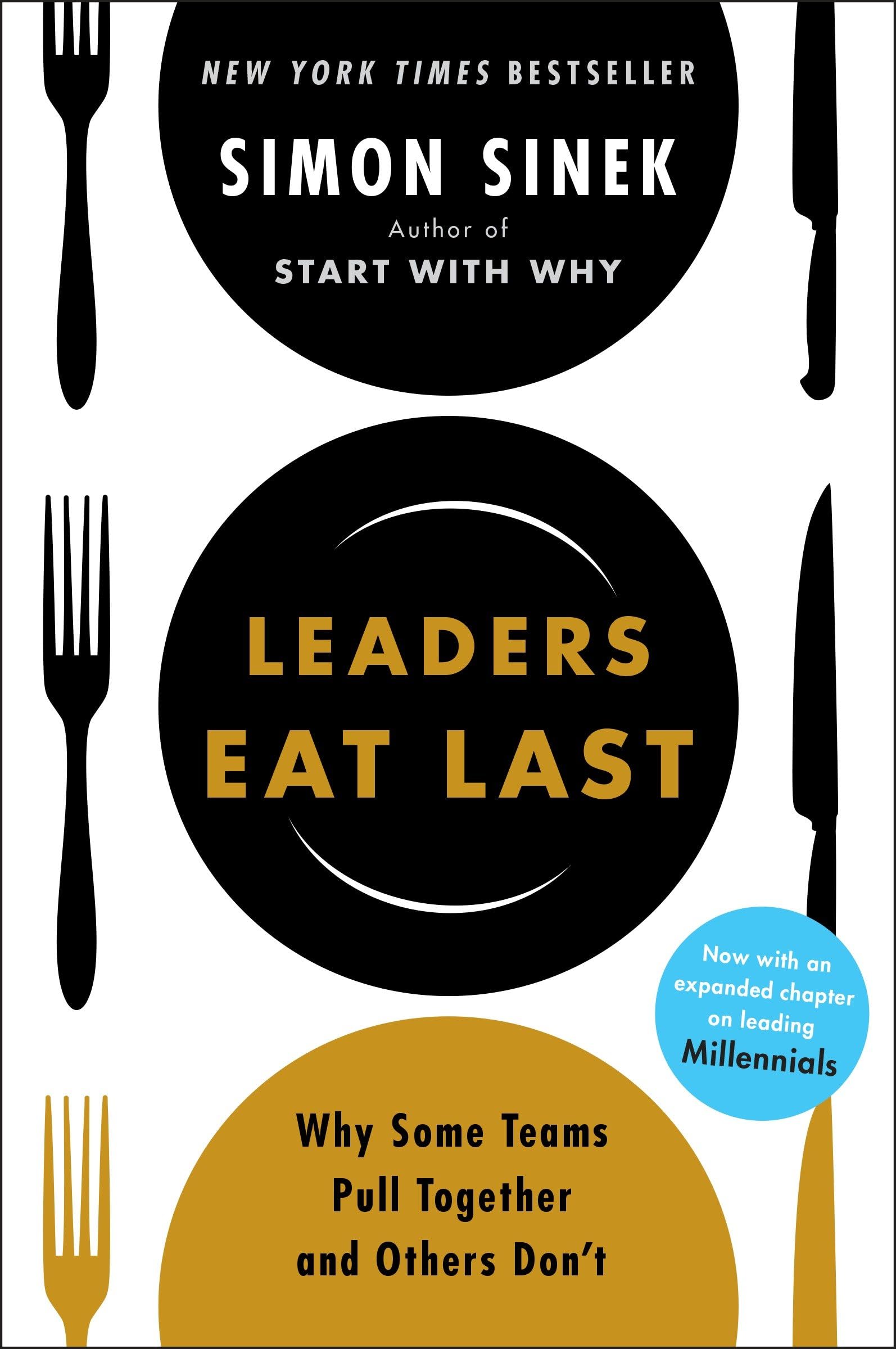
Book Summary:
Imagine a world where almost everyone wakes up inspired to go to work, feels trusted and valued during the day, then returns home feeling fulfilled. This is not a crazy, idealized notion. Today, in many successful organizations, great leaders create environments in which people naturally work together to do remarkable things.
In his work with organizations around the world, Simon Sinek noticed that some teams trust each other so deeply that they would literally put their lives on the line for each other. Other teams, no matter what incentives are offered, are doomed to infighting, fragmentation and failure. Why?
The answer became clear during a conversation with a Marine Corps general. "Officers eat last," he said. Sinek watched as the most junior Marines ate first while the most senior Marines took their place at the back of the line. What's symbolic in the chow hall is deadly serious on the battlefield: Great leaders sacrifice their own comfort--even their own survival--for the good of those in their care.
Too many workplaces are driven by cynicism, paranoia, and self-interest. But the best ones foster trust and cooperation because their leaders build what Sinek calls a "Circle of Safety" that separates the security inside the team from the challenges outside.
Sinek illustrates his ideas with fascinating true stories that range from the military to big business, from government to investment banking.
Why This Book Matters:
Leaders Eat Last explores a timeless leadership principle: the best leaders put the well-being of their people first. Simon Sinek builds on the “Circle of Safety” concept, showing how trust, loyalty, and cooperation emerge when leaders prioritize the needs of their teams over personal gain. Using stories from the military, business, and government, he illustrates how environments built on trust consistently outperform those driven by fear or self-interest.
What makes this book unique is its blend of human biology, organizational psychology, and real-world case studies. Sinek connects the chemistry of our brains — the release of serotonin, dopamine, and oxytocin — to leadership behaviors, making the science of trust both relatable and actionable.